
 By Nishad Eeshapulam Parambil
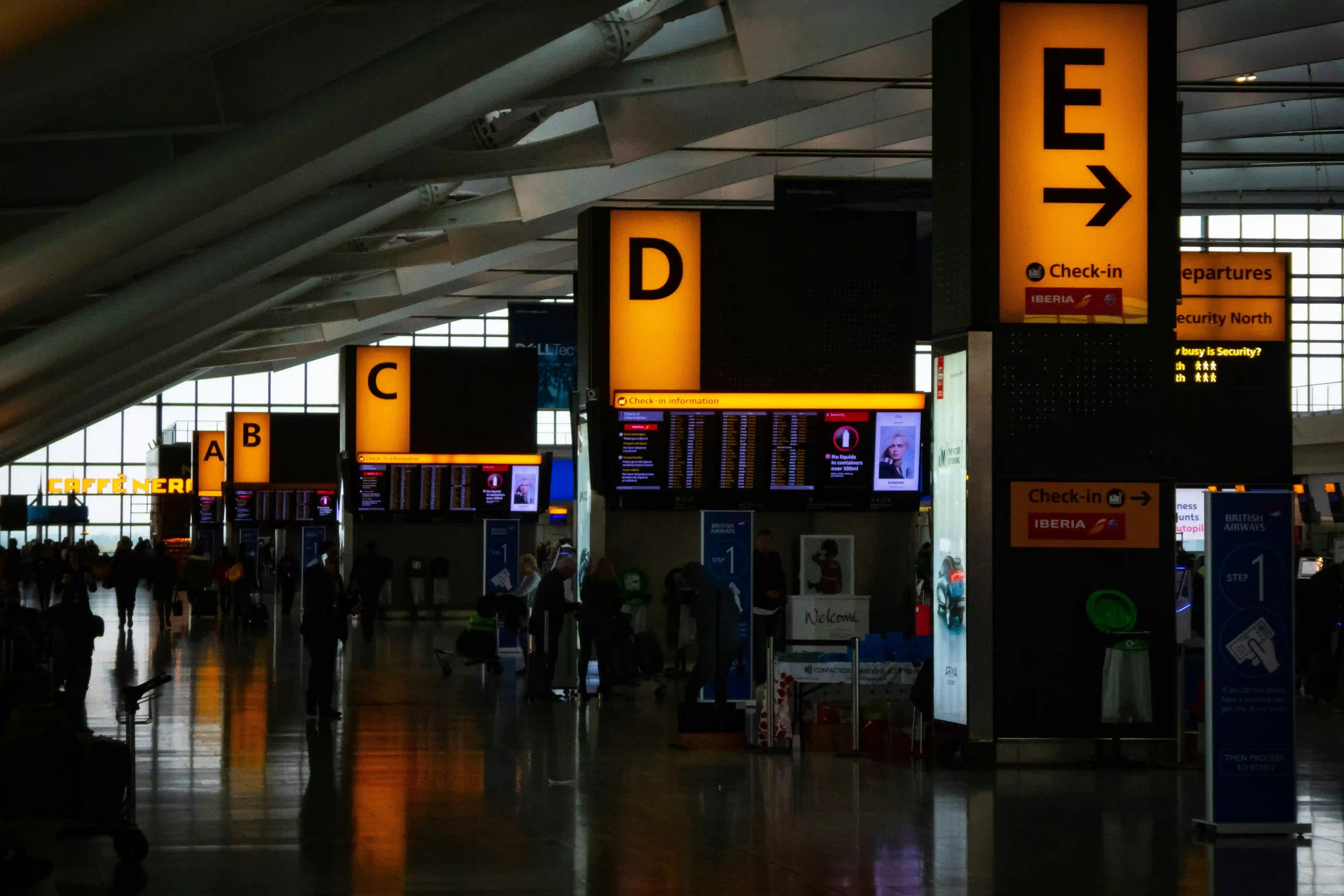
You land in India with gifts, a new phone and some gold jewellery. Then you wonder what you can carry without paying duty and what you must declare.
The India customs duty free allowance is ₹75,000 for Indian residents, tourists of Indian origin and foreigners with a qualifying non-tourist visa. Tourists of foreign origin get ₹25,000. Crew members get ₹2,500. Gold, alcohol, tobacco and laptops have their own limits on top of this.
The limit depends on who you are, what you carry, how much you carry and what it is worth. This guide explains the India airport customs rules in plain words. It suits NRIs, Gulf returnees and anyone landing at a Kerala airport. The figures come from the Baggage Rules, 2026, which took effect on 2 February 2026 and raised the resident limit from ₹50,000. (Source: Press Information Bureau; CBIC)
Indian residents get ₹75,000. Tourists of foreign origin get ₹25,000. Here is the full list.
|
Passenger category |
General duty-free allowance |
|
Indian resident |
₹75,000 |
|
Tourist of Indian origin |
₹75,000 |
|
Foreigner with a qualifying non-tourist visa |
₹75,000 |
|
Tourist of foreign origin |
₹25,000 |
|
Crew member |
₹2,500 |
Source: Press Information Bureau, Government notifies Baggage Rules, 2026; CBIC Guide for International Travellers.
Keep these points in mind:
The general allowance applies to passengers arriving by modes other than land.
Passengers arriving through land borders do not get this allowance.
You cannot add your allowance to another passenger's allowance.
Some goods follow separate rules. These include gold or silver other than ornaments, alcohol above the limit, firearms and goods in commercial quantities.
Here are the special limits at a glance.
|
Item |
Duty-free limit |
|
Gold jewellery, female passenger |
Up to 40 grams |
|
Gold jewellery, other passengers |
Up to 20 grams |
|
Laptop or notebook |
One new device, passenger above 18 years |
|
Alcoholic liquor or wine |
Up to 2 litres |
|
Tobacco |
100 cigarettes OR 25 cigars OR 125 grams |
Source: CBIC; Baggage Rules, 2026.
You can bring goods worth up to ₹75,000 if you are an Indian resident. A tourist of foreign origin can bring ₹25,000. Gold jewellery, alcohol, tobacco and one laptop have separate limits.
It is ₹75,000 per person for residents and tourists of Indian origin, which includes most NRIs visiting home. If you are moving back for good, separate Transfer of Residence rules may apply. Check them on the CBIC website.
It covers new items up to your limit. Customs treats four kinds of goods differently.
|
Type of goods |
How customs sees it |
|
Used personal effects |
Items you used on the trip, like clothes and toiletries |
|
Travel souvenirs |
Small items from the trip, counted in your allowance |
|
New purchases |
Goods bought abroad, counted in your allowance |
|
Commercial goods |
Business quantities, which follow separate rules |
Used personal effects are not treated like new shopping. These are things you wore or used during the journey. They differ from new purchases and from goods meant for sale. The rules call this bona fide baggage, which means baggage meant for your own use.
New items count against your allowance. If the total stays within your limit, you pay no duty. If it goes above, the extra goods may become dutiable.
Here is an illustration, not an official calculation. Ravi is an Indian resident. He carries a phone worth ₹60,000 and a watch worth ₹30,000. The total is ₹90,000, which is above ₹75,000. Customs may assess duty on the extra value.
No. The India customs duty free allowance cannot be pooled between passengers. Each person has their own limit.
Here is another illustration. A wife carries goods worth ₹1,00,000 and her husband carries almost nothing. She cannot use his unused limit. Her goods still cross her own allowance. (Source: CBIC Guide for International Travellers)
A woman can bring up to 40 grams of gold jewellery duty-free. Any other passenger can bring up to 20 grams. These gold customs rules India applies cover jewellery only and come with conditions. The old rupee value caps were removed, so the limit now works by weight. (Source: Press Information Bureau; Baggage Rules, 2026)
You can bring 40 grams of jewellery if you are a woman and 20 grams if you are any other passenger. You must qualify as a returning resident or a tourist of Indian origin who stayed abroad for more than one year.
|
Eligible passenger |
Duty-free jewellery allowance |
|
Female passenger |
Up to 40 grams |
|
Passenger other than female |
Up to 20 grams |
Source: Press Information Bureau; CBIC International Travel Guide.
The allowance is for people coming back after more than a year abroad. It is not a blanket allowance for every passenger or every form of gold. Check your eligibility before you fly.
No, the jewellery allowance does not cover gold bars or coins. Gold or silver in any form other than ornaments is listed in Annexure I of the Baggage Rules, 2026, which covers items with special restrictions. Check the official import conditions before buying.
Duty may apply, and you may need to declare the gold. The exact duty depends on the category of gold and the rules at that time. This article does not quote a gold duty rate on purpose. Check the current notification before you travel.
New jewellery counts as a fresh purchase. Jewellery you already owned and wore on the trip is part of your personal effects. Keep bills for new pieces. A bill helps, but it does not guarantee an exemption.
You can bring one new laptop duty-free if you are above 18 years of age and not a crew member. It is allowed over and above your general allowance. For other devices, the India customs allowance for electronics follows your general limit. (Source: Press Information Bureau; Baggage Rules, 2026)
Yes, one new laptop or notebook computer is duty-free for a passenger above 18 years. It does not reduce your ₹75,000 allowance.
Only one laptop gets the special concession. A second laptop is not automatically exempt. Customs may assess it based on quantity, value, personal use and the rules that apply.
Extra devices are not automatically exempt. Customs may check how many you carry and what they are worth. Devices for personal use are viewed differently from devices that look like stock for sale.
Yes, but a new phone or camera counts against your general allowance. Several of the same item may look commercial. No rule says one phone is always duty-free, so keep the bill and stay within your limit.
You can bring up to 2 litres of alcoholic liquor or wine. For tobacco, you can bring 100 cigarettes, or 25 cigars, or 125 grams of tobacco. These quantities sit inside your general allowance, and each has its own cap. (Source: CBIC Guide for International Travellers; Baggage Rules, 2026)
The duty free alcohol allowance India gives you is up to 2 litres of liquor or wine. Some older official airport guides also name beer. Check the current notification if you plan to carry it. If you carry more than 2 litres, you may pay duty or face further customs action.
You can bring one of three options. Pick 100 cigarettes, or 25 cigars, or 125 grams of tobacco. You cannot bring all three.
You may have to pay duty, or customs may take further action. There is no single duty rate for all products. The duty depends on the item and the rule that applies.
Gifts, watches, fashion accessories, perfumes, cosmetics and souvenirs all count as new shopping. They fall under your general allowance. Most items allowed from abroad to India pass without duty if the total stays within your limit.
Yes, if your gifts take you above your allowance or fall under a restricted category. A gift is not exempt just because it is for family. Customs looks at your allowance, the value, the quantity and any restrictions.
Yes. Gifts count against your own general allowance. Nothing moves from one traveller to another.
Customs looks at your goods, your category and the rules, then works out the duty. There is no single rate for all items. The process runs in four steps:
Customs identifies the goods and their category.
Your allowance and eligibility are checked.
The dutiable value is assessed as per the relevant rules.
The duty is set under the current tariff and notifications.
Use the green channel if you have nothing to declare. Use the red channel if you carry dutiable, prohibited or restricted goods. Every customs declaration India airport officers handle starts with this choice.
|
Channel |
When it applies |
|
Green Channel |
You carry no dutiable or prohibited goods that need a declaration |
|
Red Channel |
You carry dutiable, prohibited or restricted goods that need a declaration |
Source: Airports Authority of India; CBIC passenger guidance.
Declare your goods correctly. Walking through the green channel with dutiable or prohibited goods can lead to penalties or confiscation. When in doubt, choose red.
Enter your baggage items and currency details in the ATITHI facility before you land. Follow the steps on the official CBIC international traveller page, since the process can change.
Yes. ATITHI lets you declare baggage items and currency in advance. It can save time at the airport.
The same national customs rules apply at every Kerala airport. No Kerala airport has its own baggage allowance. Airport-specific steps or contacts should come only from official airport or customs sources.
Calicut follows the national framework. The allowance, gold limits, laptop rule and alcohol limit are the same as elsewhere in India. Check the official airport or customs website for local procedures.
Cochin follows the same national rules. Landing in Kochi does not change your allowance. Confirm any airport-specific steps from official sources.
Kannur follows the same national framework. Its official site has a customs information page for passengers. Use it for local details.
Check your allowance, gold, gadgets and declarations before you pack. Here is a quick checklist.
[ ] Check that your goods are within your duty-free allowance.
[ ] Keep personal effects separate from new purchases.
[ ] Check the separate limits for gold, alcohol, tobacco and electronics.
[ ] Keep bills and papers for high-value purchases.
[ ] Declare dutiable or restricted goods accurately.
[ ] Use the ATITHI facility where it suits you.
[ ] Check the official rules again before you fly, especially for gold or costly items.
Planning an international trip from Kerala? SkyDays Travel can help you plan flights, stays, transfers and your itinerary, so you can focus on packing smart.
It is ₹75,000 for Indian residents. Gold, alcohol, tobacco and laptops have separate limits.
Yes, if you are an eligible passenger arriving by a mode other than land. Goods above that value may attract duty.
A woman can bring up to 40 grams and any other passenger up to 20 grams. This applies to qualifying passengers who stayed abroad for more than one year.
They follow separate import conditions. The jewellery allowance does not cover them, so check the official rules first.
Yes, one new laptop is duty-free if you are above 18 years. It is over and above your general allowance.
You can bring up to 2 litres of liquor or wine. Carrying more may lead to duty or other customs action.
Gifts count against your general allowance. If the total goes above your limit, duty may apply.
No. The allowance cannot be pooled, so each person has their own limit.
The green channel is for passengers with nothing to declare. The red channel is for those carrying dutiable, prohibited or restricted goods.
Yes. ATITHI offers advance declaration of baggage items and currency. Use the official CBIC international traveller page to access it.
No. The same national framework applies at all three. Only local procedures may differ, so check official sources.
You may face penalties, and the goods may be confiscated. Use the red channel whenever you carry goods that need a declaration.
Sorting out customs is one part of a smooth trip. The rest is the right flights, the right stay and a plan that fits your budget. SkyDays Travel can help you plan flights, accommodation, transfers and your itinerary from Kerala. Reach out to the SkyDays Travel team to plan your next holiday.
Disclaimer: Customs rules can change. This article is general information and not legal or customs advice. Please check the latest guidance on the official CBIC website before you fly.





































































































































Skydays offers competitive pricing for all their travel packages. They understand that travel can be expensive, which is why they strive to offer the best possible rates for their clients without compromising on quality.


Copyright 2026 Skydays | All rights Reserved